
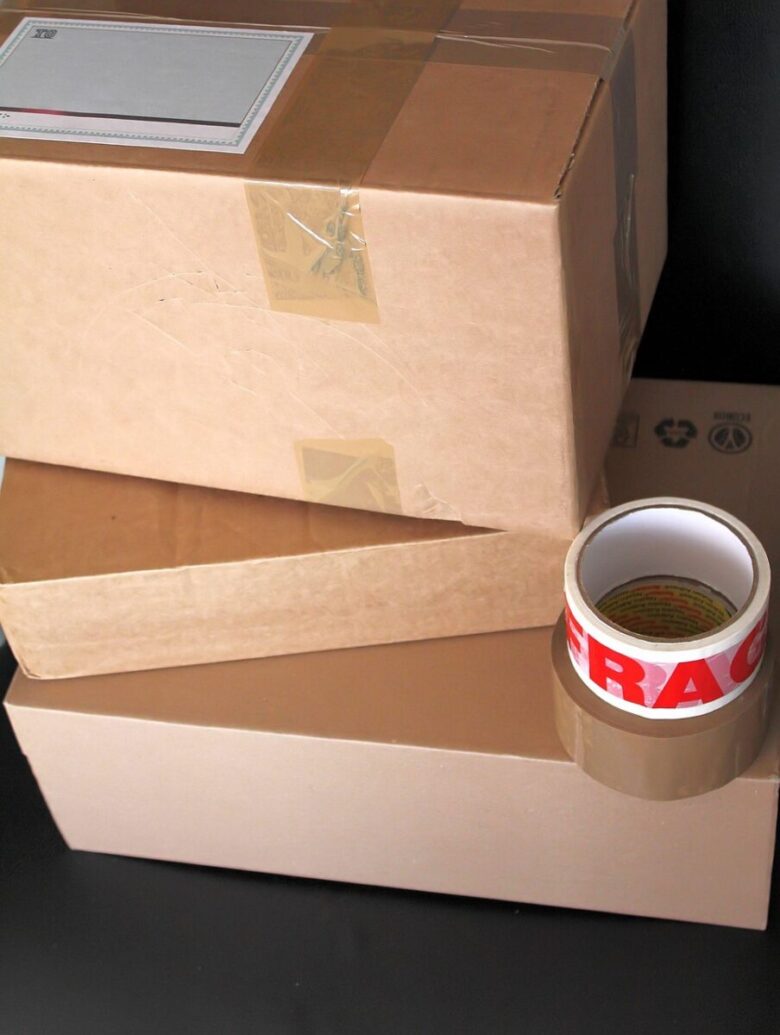
High-volume returns should be managed as a controlled product flow, not as a pile of packages waiting behind the warehouse. A reliable reverse logistics operation identifies every return, separates safe inventory from uncertain inventory, applies consistent inspection rules, directs products toward the best permitted recovery path, and uses the resulting data to prevent the same return from happening again.
Resolve the return clearly
Provide understandable instructions, realistic refund timing, and consistent communication.
Protect sellable stock
Prevent damaged, recalled, expired, used, or fraudulent items from re-entering fulfillment.
Recover what remains
Move eligible products quickly toward restock, repair, refurbishment, parts recovery, or resale.
Reduce future returns
Connect return reasons with product, supplier, fulfillment, content, packaging, and delivery data.
Reverse logistics includes the movement and control of products after they leave the normal forward fulfillment path. It may involve customer returns, refused deliveries, failed delivery attempts, warranty claims, product recalls, rental equipment, reusable packaging, repair loops, end-of-life collection, recycling, and supplier returns.
These flows are difficult because the product comes back with uncertainty. The system may not know whether the package contains the correct item, whether the product was used, whether accessories are missing, whether stored data remains on the device, whether the battery is damaged, or whether the item is safe to sell again.
The objective is not to process every return in the same way. It is to identify the return quickly and send it through the least expensive compliant workflow that protects customers, employees, inventory accuracy, brand reputation, and product safety.
The complete reverse logistics flow
A return should remain connected to the original transaction throughout this flow. The relationship may include the sales order, shipment, payment, customer, product identifier, batch or serial number, fulfillment location, carrier, return reason, inspection result, refund, and final disposition.
Design the return policy together with operations
A customer-facing return policy creates warehouse work. Promises about return windows, free shipping, instant refunds, exchanges, final-sale products, product condition, and original packaging should be reviewed by customer service, finance, fraud, legal, fulfillment, transportation, and product teams.
The policy must comply with the laws and consumer requirements that apply in each market. The operational system should then translate the policy into clear rules instead of relying on employees to interpret it manually for every request.
| Policy question | Operational control | Risk when unclear |
|---|---|---|
| Is the product eligible? | Check category, order date, seller, condition, market, return window, and exclusion rules. | Inconsistent approvals and avoidable customer disputes. |
| Where should it be returned? | Route by product, customer location, transport cost, processing capacity, and disposition need. | Products travel to a facility that cannot inspect or recover them. |
| When is the refund issued? | Define whether refund occurs at authorization, first carrier scan, receipt, inspection, or final approval. | Financial loss, fraud exposure, or unexpected customer waiting time. |
| Who pays return transport? | Apply rules for defect, fulfillment error, customer preference, warranty, recall, and marketplace responsibility. | Incorrect charges and poor cost attribution. |
| What condition is acceptable? | Describe packaging, accessories, seals, hygiene, activation, installation, use, and damage requirements. | Employees make subjective decisions without consistent evidence. |
Capture useful information before the product arrives
A return merchandise authorization, or RMA, should be more than a number printed on a label. It should create a digital expectation that helps the receiving facility prepare for the item.
Original transaction
Order number, purchase date, sales channel, seller, fulfillment location, payment status, promotion, and shipment history.
Expected product
SKU or GTIN, quantity, variation, serial or batch where available, package level, accessories, and original selling condition.
Customer reason
Structured return code, optional explanation, photographs, reported defect, sizing problem, delivery issue, or compatibility concern.
Risk indicators
High-value product, serial mismatch history, repeated claims, empty-box risk, recalled item, data-bearing device, or hazardous component.
Transport instruction
Approved carrier, package requirement, label, collection method, consolidation point, restricted mode, and tracking reference.
Planned destination
Restock candidate, technical inspection, repair center, supplier return, specialist recycler, recall facility, or manual review.
Declared condition can support pre-routing, but it should not automatically determine the final disposition. Customers may misunderstand a fault, select the easiest reason code, or send a different product from the one authorized.
Do not send every return to the original shipping warehouse. A product that needs technical testing, data sanitization, battery handling, supplier recovery, or specialist recycling may be cheaper and safer to route directly to a suitable facility.
Triage returns before normal processing
The first receiving decision should protect people and inventory. Employees need clear escalation rules for packages that should not enter an ordinary inspection queue.
Build an inspection process that produces repeatable decisions
Inspection should follow a product-specific checklist. A generic “good” or “bad” field is not enough to determine whether an item can be resold safely, repaired economically, or returned to a supplier.
- Return authorization matches the received package
- Product identifier matches the original transaction
- Serial, batch, or lot is valid where required
- Quantity and accessories are complete
- Packaging and seals match the expected condition
- Visible cosmetic damage is photographed
- Functional test is completed where appropriate
- Recall, expiry, and quality status are checked
- Customer data or accounts are handled securely
- Battery or hazardous-material risk is assessed
- Fraud or substitution indicators are recorded
- Final grade and disposition are approved
Photographs should support the decision without replacing the inspection. Image capture can document packaging, labels, seals, serial numbers, accessories, visible damage, and the condition at receipt.
Use clear product grades
Eligible for normal sale
Product meets the company’s documented requirements for new or ordinary sellable inventory. This should be a controlled determination, not an assumption based only on an unopened-looking box.
Open-box or repackaged
Product is functional and complete but no longer meets the presentation requirements for sale as new. Channel and warranty terms should be defined.
Repair or refurbishment
Product has a recoverable defect, missing component, cosmetic issue, or test requirement. Expected recovery value should justify the additional work.
Not eligible for resale
Product is unsafe, recalled, expired, counterfeit, contaminated, uneconomic to repair, or otherwise unsuitable for a resale channel.
The grade should be supported by objective criteria for the product category. Different inspectors should reach similar decisions when presented with the same item and evidence.
Restocking is not simply moving the item back to a shelf. The system must release the correct product identifier, condition, quantity, location, batch, serial, warranty status, and sales channel.
Select disposition using value, safety, and compliance
The fastest disposition is not always the best one. A company should consider remaining product value, labor, transport, parts, testing, storage, channel fees, warranty, legal requirements, environmental obligations, and the risk of another return.
Use only when identity, condition, completeness, safety, recall status, and sales eligibility have been confirmed.
Replace packaging, documentation, labels, accessories, or minor components under a controlled work instruction.
Restore function or appearance, complete required testing, document parts and labor, and assign an appropriate resale condition.
Sell through an approved outlet, open-box, business-to-business, liquidation, donation, or other channel with accurate condition disclosure.
Use warranty, defect, recall, commercial return, or supplier-recovery terms and preserve the evidence required for credit.
Harvest permitted components or send the item to a qualified recycling process when reuse or repair is not appropriate.
Use an authorized route when the product cannot be safely or legally reused, repaired, donated, recycled, or returned.
For non-hazardous materials, the U.S. Environmental Protection Agency’s management hierarchy generally places source reduction and reuse ahead of recycling, energy recovery, treatment, and disposal. The correct outcome still depends on product safety, applicable law, technical suitability, and local infrastructure.
Apply different controls to different product categories
Apparel and footwear
Inspection may focus on wear, odor, stains, tags, hygiene, size accuracy, seasonality, packaging, and whether the product can be folded or repackaged without misrepresenting its condition.
- Separate unworn inventory from used products
- Record sizing and fit reasons accurately
- Protect seasonal products from processing delay
Consumer electronics
Returns may require serial verification, activation checks, accessory control, functional diagnostics, data sanitization, battery inspection, recall review, and secure handling.
- Prevent returned devices from exposing customer data
- Validate serials against the original sale
- Keep damaged batteries out of ordinary parcel flows
Food, cosmetics, and personal-care items
Hygiene, tamper evidence, temperature, contamination, expiry, seal integrity, and product-specific regulations may prevent ordinary resale even when the package appears complete.
- Do not rely only on visual appearance
- Separate resale, donation, recycling, and disposal rules
- Document destruction when required
Furniture and large appliances
The decision may depend on transportation damage, assembly, missing hardware, cosmetic condition, repair location, collection cost, space, and whether the product can be sold locally.
- Capture photographs before collection
- Compare field repair with return transport
- Plan bulky-item staging capacity
High-value serialized products
Fraud, substitution, counterfeit parts, warranty transfer, missing components, and chain of custody may be as important as physical condition.
- Use serial-level verification
- Record handoffs and inspection evidence
- Require controlled approval for value write-downs
Hazardous or regulated products
Batteries, chemicals, aerosols, medical products, contaminated items, and recalled products may require specialized packaging, labeling, storage, transport, and disposal.
- Use trained personnel and approved service providers
- Do not assume the original outbound package remains suitable
- Follow the rules for the actual condition of the return
Damaged, defective, or recalled lithium batteries require specialist assessment. They can present a greater fire risk and may be subject to transport restrictions that differ from ordinary customer returns. They should not be placed into a standard parcel-return stream without confirming applicable packaging, marking, mode, carrier, and regulatory requirements.
Protect customer and company data on returned devices
Phones, computers, storage devices, connected appliances, diagnostic equipment, vehicle electronics, and other returned products may contain customer credentials, photographs, business files, network settings, or personal information.
A factory reset displayed on the screen does not always provide sufficient assurance. The organization should use a documented media sanitization program based on the sensitivity of the information, type of storage, intended reuse, available method, verification, and legal obligations.
- Keep data-bearing returns in controlled locations
- Restrict employee access by role
- Record device and serial identity
- Select an approved sanitization method
- Verify completion instead of assuming success
- Retain an auditable sanitization record
- Escalate devices that cannot be sanitized
- Coordinate reuse, recycling, and physical destruction
Use identifiers to prevent incorrect or fraudulent restocking
Product identification becomes more important when the same model may exist in several batches, expiry dates, revisions, markets, warranty states, or serial numbers.
GS1 guidance for retail backend systems describes the use of product identifiers together with attributes such as batch, lot, expiration date, production date, serial number, and product version. In returns, these attributes can help validate the item against the original transaction, detect mismatches, support recall controls, and determine whether inventory can be restocked.
| Identifier or attribute | Return-control use | Example exception |
|---|---|---|
| Product identifier | Confirm that the returned trade item matches the item sold. | Similar-looking lower-value product placed in the box. |
| Serial number | Confirm the exact unit and its original transaction, warranty, activation, or recall status. | Different serial returned from the one purchased. |
| Batch or lot | Support quality, recall, expiry, supplier, and traceability decisions. | Returned lot is blocked even though the general SKU is active. |
| Expiration date | Prevent expired or insufficient-life products from returning to sellable inventory. | Item is unopened but no longer eligible for resale. |
| Product version | Differentiate hardware, firmware, formula, packaging, or regulatory versions. | Older revision is returned under a newer product listing. |
Keep returned inventory in controlled states
Returned products should not become available inventory merely because the warehouse received them. The WMS or inventory system should maintain clear statuses until each required control is completed.
Connect customer service, logistics, inventory, and finance
Returns data often becomes fragmented across customer service, order management, carrier portals, warehouse systems, repair platforms, supplier records, fraud tools, payment services, and accounting.
The company should decide which system owns each field. Multiple platforms may display the return status, but there should be one controlled source for the authorization, physical condition, inventory state, customer refund, and final financial disposition.
Prepare for seasonal and promotional return peaks
Returns frequently arrive after the sales peak, when temporary labor may already be leaving and warehouses are preparing for the next commercial cycle. Forecasting should therefore include the delay between the original shipment and expected return arrival.
Capacity inputs
- Sales volume by product and channel
- Historical authorization and arrival timing
- Product mix and inspection complexity
- Carrier and consolidation lead times
- Repair and supplier-return capacity
- Available staging and quarantine space
Peak controls
- Pre-trained flexible labor
- Overflow receiving and staging areas
- Priority queues by value and time sensitivity
- Extended repair or refurbishment capacity
- Scheduled collection from stores or drop points
- Daily queue and aging reviews
High-value and rapidly depreciating products may deserve earlier inspection than low-value products that will follow a fixed recycling route. Priority rules should be approved before the peak instead of decided informally when the dock becomes congested.
Measure cost and recovery without misleading averages
Net recovery value = recovery proceeds + supplier credits − return transport − processing − repair − channel fees − disposal costs
Recovery percentages should not be presented without defining the denominator. Recovery compared with retail selling price, product cost, written-down inventory value, or the value at the time of return can produce very different results.
Metrics should also be separated by product, reason, sales channel, supplier, fulfillment location, return facility, condition, disposition, and age. A broad company average can hide a product that repeatedly creates loss.
Use return reasons to correct the forward supply chain
| Return pattern | Possible cause | Team that should investigate |
|---|---|---|
| Wrong size or fit | Inaccurate size guide, inconsistent manufacturing, regional sizing, or unclear model information. | Product, supplier quality, content, merchandising, and customer experience. |
| Not as described | Incomplete specifications, inaccurate images, color variation, unclear compatibility, or misleading claims. | Content, product, marketing, legal, and marketplace management. |
| Arrived damaged | Packaging weakness, carrier handling, load planning, poor void fill, weather exposure, or supplier pack failure. | Packaging engineering, warehouse, carrier management, supplier quality, and procurement. |
| Wrong item | Picking error, incorrect barcode, bad location data, product substitution, or marketplace seller issue. | Fulfillment, inventory control, systems, supplier, and channel operations. |
| Defective | Manufacturing issue, batch problem, installation error, unclear instructions, or customer misuse. | Quality, engineering, supplier, warranty, content, and customer support. |
| Arrived too late | Unrealistic promise, inventory delay, missed carrier cutoff, failed delivery, or poor exception communication. | Planning, fulfillment, transportation, order management, and customer service. |
Customer-selected reason codes should not be treated as confirmed root causes. Inspection results, product tests, order history, fulfillment events, delivery evidence, supplier data, and customer comments should be combined before corrective action is assigned.
Hypothetical example: managing a seasonal electronics return peak
An online retailer expects a large wave of electronics returns after a holiday sales period. The previous process sent every package to one general queue, where unopened accessories, defective devices, serial mismatches, and battery-damaged products waited together.
Risks in the old flow
- High-value products remained unprocessed
- Unsafe batteries entered ordinary staging
- Serial mismatches were discovered late
- Customer data remained on some devices
- Supplier-credit deadlines were missed
- Sellable accessories lost seasonal value
Redesigned controls
- RMA data identifies the expected product
- Safety triage occurs at receipt
- Serial and accessory checks happen first
- Data-bearing devices enter a controlled queue
- Supplier-return deadlines create priority rules
- Simple products use a shorter inspection path
The retailer measures dock-to-decision time, exception volume, unsafe-product isolation, supplier credits, repeat returns, and recovery by product condition. It does not assume a fixed improvement percentage before completing the pilot.
A practical implementation roadmap
- Map the existing return journey Follow representative returns from customer request through transport, receiving, inspection, refund, inventory, recovery, and financial close.
- Separate policy from operational exceptions Document standard eligibility rules and the situations that require supervisor, fraud, safety, quality, legal, or supplier review.
- Standardize return reasons and condition grades Use definitions that employees and systems can apply consistently. Preserve free-text comments as supporting information rather than the only classification.
- Create product-specific inspection plans Define identity, accessories, function, safety, hygiene, expiry, data, recall, and resale requirements for each important category.
- Design controlled inventory states Prevent uninspected returns from becoming sellable and maintain traceability through rework, repair, supplier return, recycling, and disposal.
- Connect systems and financial records Link authorization, tracking, receipt, inspection, refund, supplier credit, inventory adjustment, and recovery proceeds.
- Pilot with one meaningful return segment Choose a product category, sales channel, facility, supplier, or return reason with enough volume to measure and limited enough complexity to control.
- Test ordinary and difficult exceptions Include wrong items, missing accessories, empty packages, data-bearing devices, damaged batteries, recalls, supplier claims, and products that cannot be identified.
- Compare complete economics Include customer service, transport, warehouse labor, space, repair, systems, fraud, write-downs, channel costs, and disposal.
- Expand after the controls are stable Scale the process only after employees, systems, labels, safety procedures, partners, and recovery channels perform reliably.
Questions to ask a reverse logistics provider
- Which product categories can the facility inspect safely?
- Can the provider validate batch, lot, and serial data?
- How are customer data and data-bearing devices controlled?
- Can it identify and isolate damaged batteries?
- Which repair and refurbishment tests are performed?
- How are product grades defined and audited?
- Which resale, liquidation, donation, and recycling channels are used?
- How are recalls and blocked inventory handled?
- Can the provider return evidence to the supplier?
- How are documents, photographs, and inspection results retained?
- Which inventory and financial integrations are supported?
- How are subcontractors approved and monitored?
- Who owns recovered products and resale proceeds?
- How can inventory and records be retrieved after contract termination?
Common reverse logistics mistakes
Mixing returns with available stock
Products awaiting inspection can be allocated or shipped accidentally, creating another return or a safety issue.
Using one workflow for every category
Apparel, electronics, food, furniture, batteries, cosmetics, and serialized goods require different inspection and recovery controls.
Trusting the declared reason as the root cause
The customer’s selection may be incomplete or inaccurate. Physical inspection and operating data are still required.
Issuing refunds without matching the risk
A single refund trigger may be unsuitable for high-value, frequently abused, unidentified, or hazardous returns.
Delaying high-value recovery
Products can lose seasonal, technological, warranty, or market value while waiting in a general queue.
Ignoring customer data on devices
Reselling or recycling data-bearing products without controlled sanitization can expose personal and business information.
Treating all batteries as ordinary parcels
Damaged, defective, or recalled batteries can require different transport, packaging, storage, and escalation procedures.
Measuring only the number of returns
Volume alone does not reveal cycle time, processing cost, preventable causes, supplier recovery, repeat returns, or remaining value.
Counting revenue without recovery costs
Liquidation or refurbishment proceeds can appear attractive until transport, labor, parts, fees, storage, and write-downs are included.
Discarding products without an approved route
Electronics, batteries, regulated goods, recalled products, and customer data may require documented treatment by qualified providers.
Frequently asked questions
Should every returned product be inspected?
Every return should pass the controls required for its risk and intended disposition. A low-risk sealed item may use a shorter validation path, while electronics, high-value products, regulated goods, and products intended for resale may require more detailed inspection.
When can a product be restocked?
Only after the company confirms identity, condition, completeness, safety, recall and expiry status, authenticity, applicable hygiene requirements, and eligibility for the intended sales channel.
Is an RMA system required?
The business needs a controlled return record, whether it is managed by a dedicated platform, order management system, ERP, WMS, marketplace integration, or another application. The essential requirement is reliable linkage between authorization, product, transport, inspection, refund, inventory, and disposition.
Should a refund be issued when the carrier first scans the package?
That decision depends on customer experience goals, product value, fraud exposure, legal requirements, carrier reliability, marketplace rules, and the company’s ability to recover funds when the expected item is not received.
Can an unopened return automatically be sold as new?
Not automatically. Packaging can be resealed, substituted, damaged, recalled, expired, or associated with the wrong serial or batch. The company should apply its documented category-specific validation rules.
Is refurbishment always better than liquidation?
No. Refurbishment is useful only when expected recovery value justifies testing, parts, labor, warranty, storage, transport, channel fees, and the risk of another return.
How should returned electronics with customer data be handled?
Keep them in a controlled workflow, restrict access, identify the device, apply an approved sanitization method, verify the result, and retain an auditable record before reuse, resale, recycling, or destruction.
Can damaged lithium batteries use the normal return label?
They should not enter a normal return flow without specialist review. Their condition may trigger additional packaging, marking, documentation, carrier, mode, storage, and legal requirements.
What is the most important reverse logistics metric?
There is no single universal metric. Customer resolution, processing time, safety, net recovery, preventable-return causes, repeat returns, inventory accuracy, supplier credits, and total cost should be evaluated together.
Final perspective
High-volume returns become manageable when they are treated as a designed supply chain rather than an exception to forward fulfillment.
The strongest process begins before the package arrives. It creates a reliable authorization, captures useful reason and product data, directs the shipment to a suitable facility, and prepares the warehouse for the expected inspection.
After receipt, each item should remain in a controlled inventory state until identity, condition, safety, authenticity, recall status, data risk, and disposition have been resolved. The product can then move toward the highest-value outcome that is technically, commercially, environmentally, and legally appropriate.
The final step is learning. Return data should lead to better product information, packaging, supplier quality, inventory accuracy, picking, delivery promises, and customer support. Efficient processing recovers value from today’s returns; root-cause correction reduces tomorrow’s.
Sources and further reading
- GS1 — 2D Barcode Playbook for Retail POS Host and Backend Systems
- GS1 — EPCIS Visibility and Event Data Standard
- U.S. Environmental Protection Agency — Materials and Waste Management Hierarchy
- NIST — SP 800-88 Revision 2, Guidelines for Media Sanitization
- PHMSA — Transporting Lithium Batteries
- European Commission — Waste Electrical and Electronic Equipment
- NIST — Circular Economy in the High-Tech World Workshop Report
Editorial note: This guide was prepared by the Samai Supply Tech Editorial Team using publicly available product-identification, materials-management, media-sanitization, battery-transport, electronics-recovery, and circular-economy resources. It provides general educational information and does not replace professional legal, consumer-protection, product-safety, hazardous-materials, data-security, environmental, accounting, or logistics advice.
Samai Supply Tech Editorial Team creates practical, research-based content about supply chain management, freight technology, warehouse operations, and e-commerce logistics. Our goal is to explain complex industry topics in a clear and useful way, helping readers better understand modern logistics tools, processes, challenges, and opportunities. Each article is reviewed for clarity, relevance, and accuracy before publication.